



.jpeg)
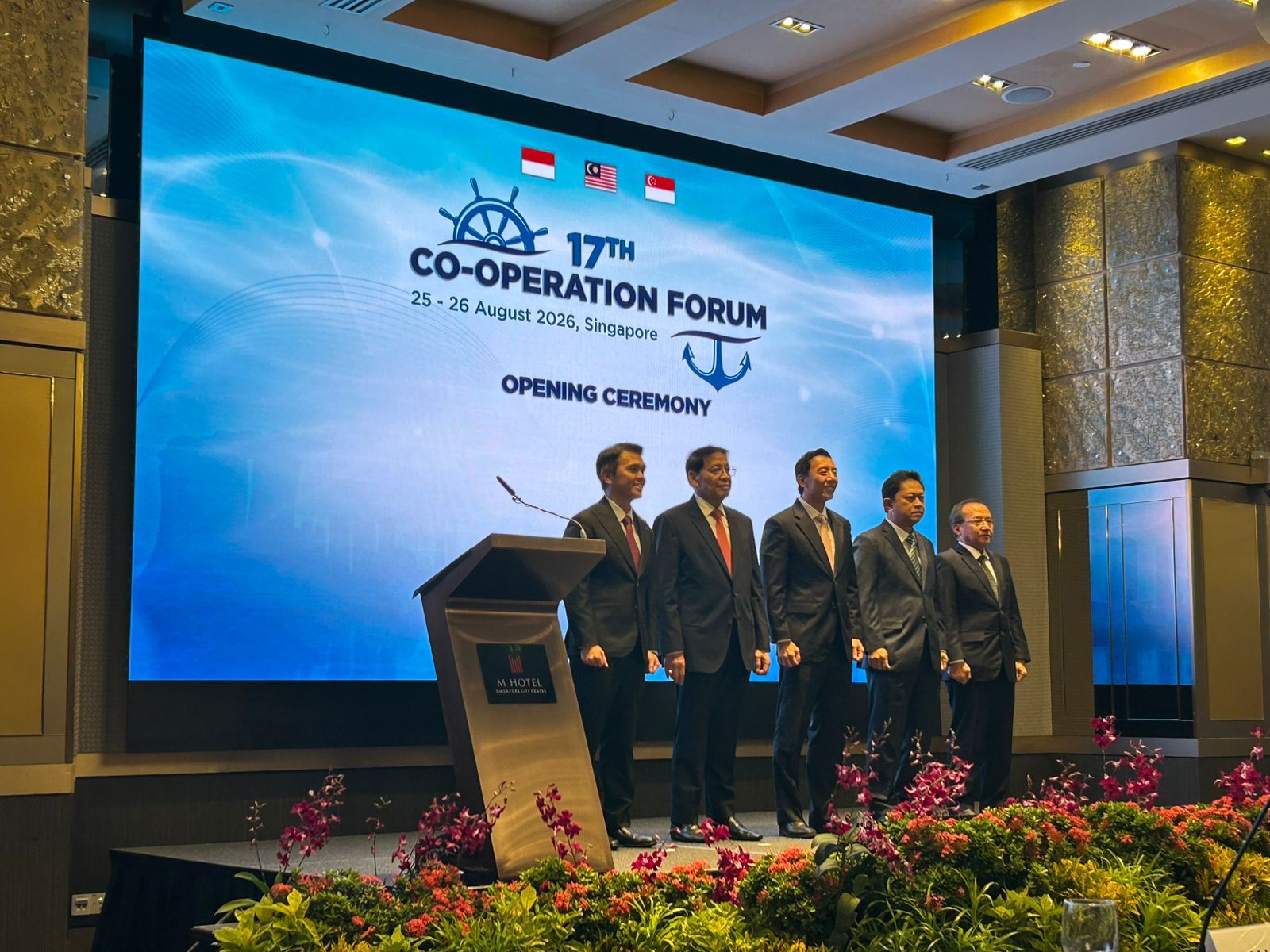
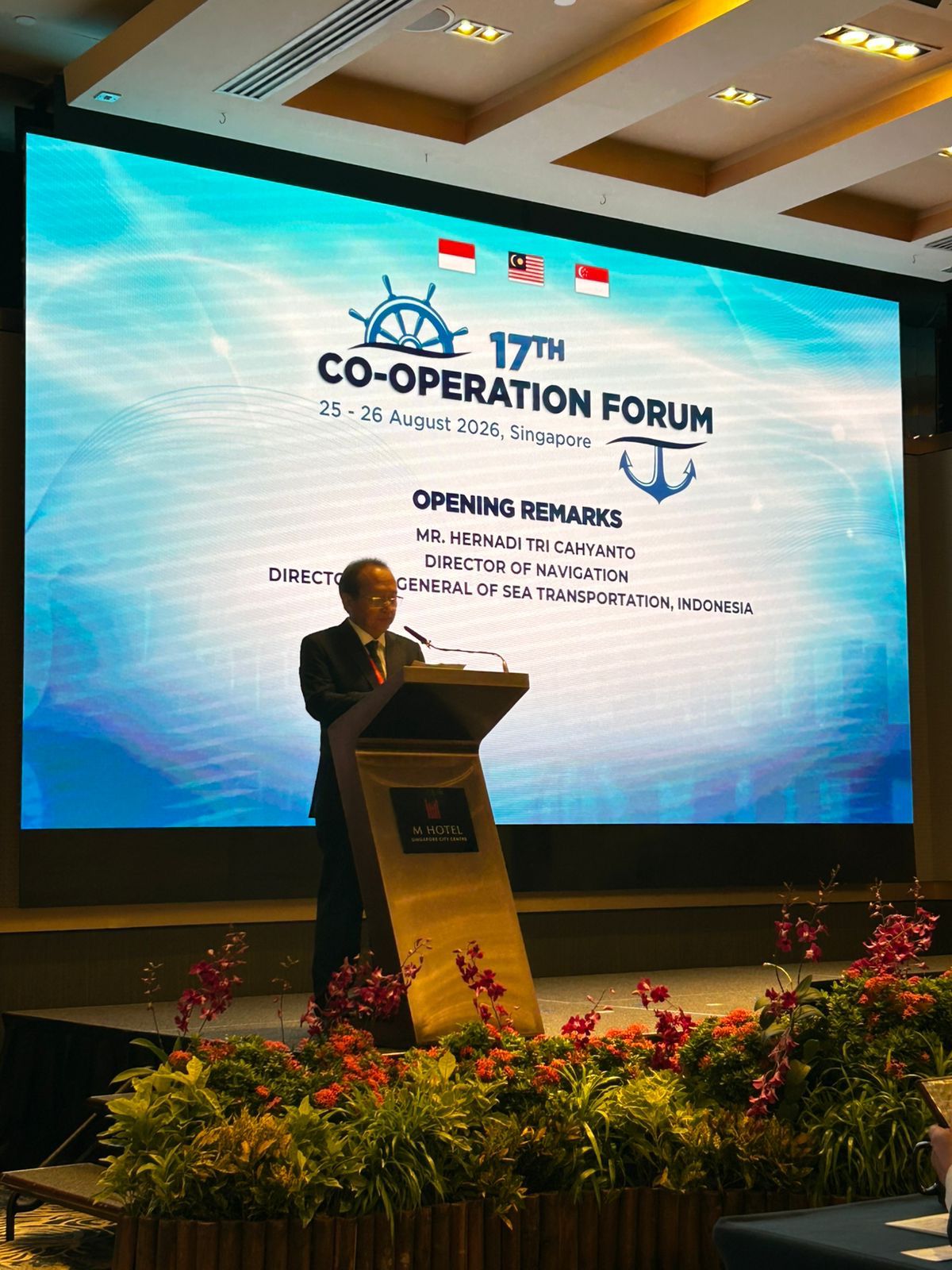
Indonesia, Malaysia and Singapore reaffirmed their shared commitment to keep the Straits of Malacca and Singapore (SOMS) free, open and safe for international shipping at the 17th Co-operation Forum held in Singapore. (1)
The Littoral States affirmed the status of the SOMS as a Strait Used for International Navigation, where the right of transit passage applies, as enshrined in the 1982 United Nations Convention on the Law of the Sea (UNCLOS) and reflected in customary international law. They underscored the importance of respecting navigational rights and freedoms both in principle and practice.
The Littoral States also reaffirmed the important roles played by User States, international organisations, the maritime industry and other stakeholders in sharing responsibility for and contributing to the safety of navigation and environmental protection in the SOMS.
At the 17th Co-operation Forum, the Littoral States and stakeholders will discuss proposals to further these efforts, including the safe introduction of new technologies and alternative fuels in the SOMS, and review ongoing technical projects to enhance navigational safety.
The Co-operative Mechanism established by Indonesia, Malaysia and Singapore in 2007 provides the framework for this co-operation. It enables Littoral States to work together with User States and other stakeholders on navigational safety and environmental protection in the SOMS.
Its establishment gave practical effect, for the first time, to Article 43 of UNCLOS. (2) The Littoral States also renewed their commitment to uphold the objective and founding principles of the Co-operative Mechanism.
The Littoral States further expressed their appreciation to stakeholders for their longstanding contributions to the Co-operative Mechanism and encouraged their continued support and participation.
⸻
Notes
(1) As one of three important components of the Co-operative Mechanism on Safety of Navigation and Environmental Protection in the Straits of Malacca and Singapore (Co-operative Mechanism), the Co-operation Forum serves as a key platform for the Littoral States, User States, the industry, and other stakeholders to engage in dialogue on issues relating to navigational safety and marine environment protection in the SOMS.
The other two components are the Aids to Navigation Fund and Project Co-ordination Committee.
(2) Article 43 states that “User States and States bordering a strait should by agreement co-operate: (i) in the establishment and maintenance in a strait of necessary navigational and safety aids or other improvements in aid of international navigation; and (ii) for the prevention, reduction and control of pollution from ships.”
Reaksi dan Komentar